24/7 EMERGENCY AVAILABILITYKing & Snohomish Counties, WA
Our Services

24/7 Water Damage Restoration in King & Snohomish Counties

Extraction, structural drying, cleanup, and repairs after leaks or flooding. Our team comes to your property throughout King and Snohomish counties.

24/7 Water Damage Restoration in King & Snohomish Counties
START HERE

What happens when you contact us?

We’ll ask where the property is located, what happened, when the damage was discovered, and which areas appear affected. We’ll discuss availability, provide an arrival estimate, and explain how an assessment can be arranged.

At your property, we inspect accessible affected areas, explain our findings, and review the recommended scope and authorization requirements before proceeding.

Our water damage restoration process

01

Inspect and Assess the Damage

We inspect affected rooms and surrounding areas to determine where water has spread. Moisture meters help assess wet materials; thermal imaging may identify areas that need closer investigation. We explain the findings and discuss coordinating with an appropriate specialist if the source is still leaking.

02

Remove Water and Damaged Materials

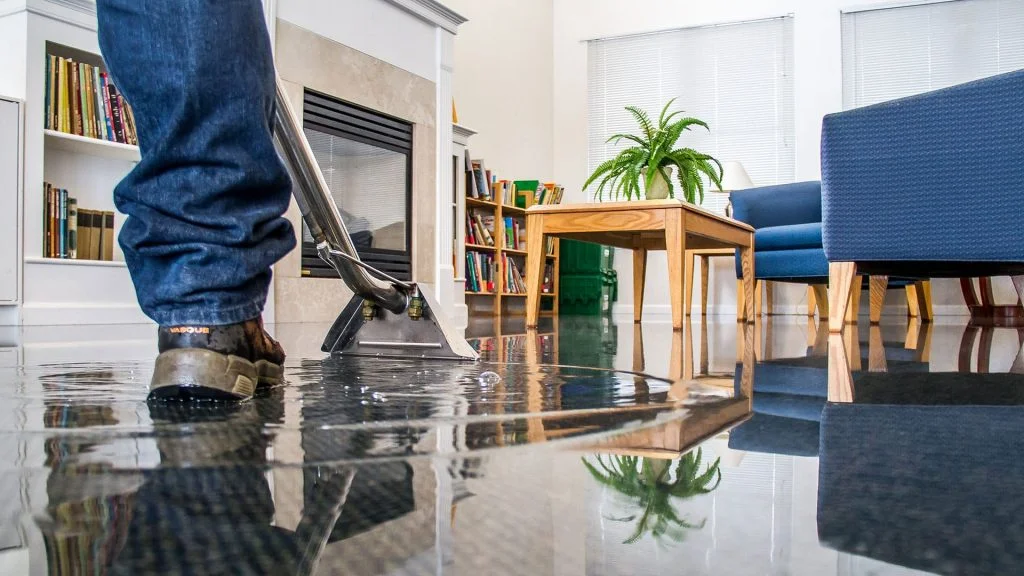
We extract standing water using equipment suited to the surfaces involved. We evaluate flooring, drywall, insulation, and other materials. Some can be dried, while others may need removal because of damage, contamination, or access to trapped moisture. We explain recommendations before proceeding.

03

Dry and Dehumidify

Water can remain inside materials after visible moisture is gone. We position air movers and dehumidifiers, monitor moisture readings, and adjust equipment as needed. Timing depends on affected materials and site conditions.

04

Clean and Sanitize

Cleaning methods depend on the water source, contamination, and materials involved. Sewage or other contaminated water may require additional cleaning and removal. Containment and air filtration may be used where needed.

05

Complete Restoration Repairs

After cleanup and drying, we review repairs such as insulation, drywall, flooring, trim, and painting. We discuss the scope, material selections, and scheduling before repairs begin, explain changes along the way, and complete a final walkthrough.

Common water damage situations

Appliance & water-heater leaks

Leaks can spread beneath flooring and into nearby walls. We assess affected materials and drying needs.

Pipe leaks & overflows

Burst pipes, supply-line leaks, and fixture overflows can affect multiple rooms.

Basements & crawlspaces

We evaluate moisture affecting framing, insulation, and adjoining areas.

Roof & ceiling leaks

We restore resulting interior damage. Source repairs may require a roofer or plumber.

For contaminated water, explore our sewage cleanup service.

Frequently asked questions

How quickly can you respond?+

Emergency service is available 24/7. Call with the property location and a description of the damage so we can discuss availability and provide an arrival estimate.

How long does drying take?+

Drying time depends on the materials, moisture levels, extent of the damage, and site conditions. Moisture readings guide the process.

Can you handle repairs after drying?+

Yes. We provide restoration repairs. We review the repair scope, materials, and scheduling before work begins.

How is the cost determined?+

Cost depends on the affected areas, materials, contamination, equipment, and work required. We discuss the recommended scope and authorization before proceeding.

Do you work with insurance?+

We can discuss damage documentation and billing arrangements. Coverage, deductibles, and payment responsibilities depend on your policy, claim, and agreed terms.

Do you work on commercial properties?+

Yes. We serve homes and businesses. Contact us to discuss property access, the affected areas, and service availability.

LOOKING BEYOND THE SURFACE

Where hidden moisture
can change the scope.

Walls and ceilings

Water can affect drywall, insulation, framing, and spaces behind finishes. We inspect accessible affected areas and use readings to help determine what can be dried and where access or material removal may be needed.

Flooring and subflooring

Water beneath flooring may not be obvious from the surface. We evaluate affected materials and discuss whether drying, cleaning, removal, or replacement is recommended.

Basements, crawlspaces and attics

These areas can involve framing, insulation, stored items, and adjoining rooms. Conditions and safe access affect the assessment and the equipment or work required.

Drying equipment and progress

Industrial air movers and dehumidifiers are used as appropriate to move air and remove moisture. We use readings to track progress and adjust the plan rather than relying only on how a surface looks or feels.

SITUATIONS WE HANDLE

From a small leak
to a larger water loss.

Basement flooding

Water in a basement can affect flooring, wall finishes, stored items, and adjoining spaces. We assess the extent of moisture, discuss extraction and drying, and review materials that may need cleaning or removal.

Attic & roof leaks

Water entering above a ceiling may affect insulation, framing, and rooms below. We evaluate accessible affected materials and restoration needs. Repairing the roof or another source may require the appropriate specialist.

Appliance & supply-line leaks

Refrigerators, washing machines, dishwashers, water heaters, and plumbing connections can leak into nearby cabinets, floors, or walls. Moisture readings help us evaluate more than the visible puddle.

Sewage backups

Contaminated water requires a different cleanup plan from a clean-water leak. We discuss affected surfaces, materials that cannot be adequately cleaned, drying, and the restoration work that follows.

Mold after water damage

Persistent dampness can affect materials beyond the original wet area. If suspected mold is found, we explain whether additional assessment, containment, or remediation is recommended.

Water after fire suppression

Water used to extinguish a fire can leave a separate drying and cleanup problem. Contact us to discuss water-related restoration needs and coordination with others involved in the loss.

BEFORE REPAIRS BEGIN

Clear scope.
Documented next steps.

Damage documentation

Moisture readings, affected-material assessments, and a clearly described scope help explain what happened and what restoration work is recommended. Ask our team what documentation is available for your project.

Insurance billing

We work with insurers on documentation and billing. Tell us if you have opened a claim so we can discuss the billing arrangements that apply to your work.

Clear payment expectations

Insurance coverage, deductibles, exclusions, and payment responsibility depend on your policy, claim, and agreement. We discuss the proposed scope and authorization before proceeding; an assessment is not a promise of coverage.

Ready to discuss your property?

Call with your location, the source if known, and the affected areas.

Call 425-595-4500 ↗
HERE WHEN YOU NEED US

Need Water Damage Help?
Call Restoration Pro 24/7

Call 425-595-4500 ↗

Emergency availability, 24 hours a day.

Call Now — 24/7 · 425-595-4500 ↗